Found Mold in Your House? What to Do First
Quick Answer
Don’t scrub, spray or tear into it yet. Find and stop the water that is feeding it, then measure the patch: EPA says an area under about 10 square feet is in most cases a job you can do yourself with gloves, goggles and an N-95 respirator. Larger areas, sewage water, mold in the heating and cooling system or mold you can smell but not see call for a professional.
What to Do Right Now
Work through these in order. None of them involve cleaning yet.
- Don’t disturb it. Disturbing moldy material can release spores. EPA warns that removing wallpaper, for example, “can lead to a massive release of spores if there is mold growing on the underside of the paper.”
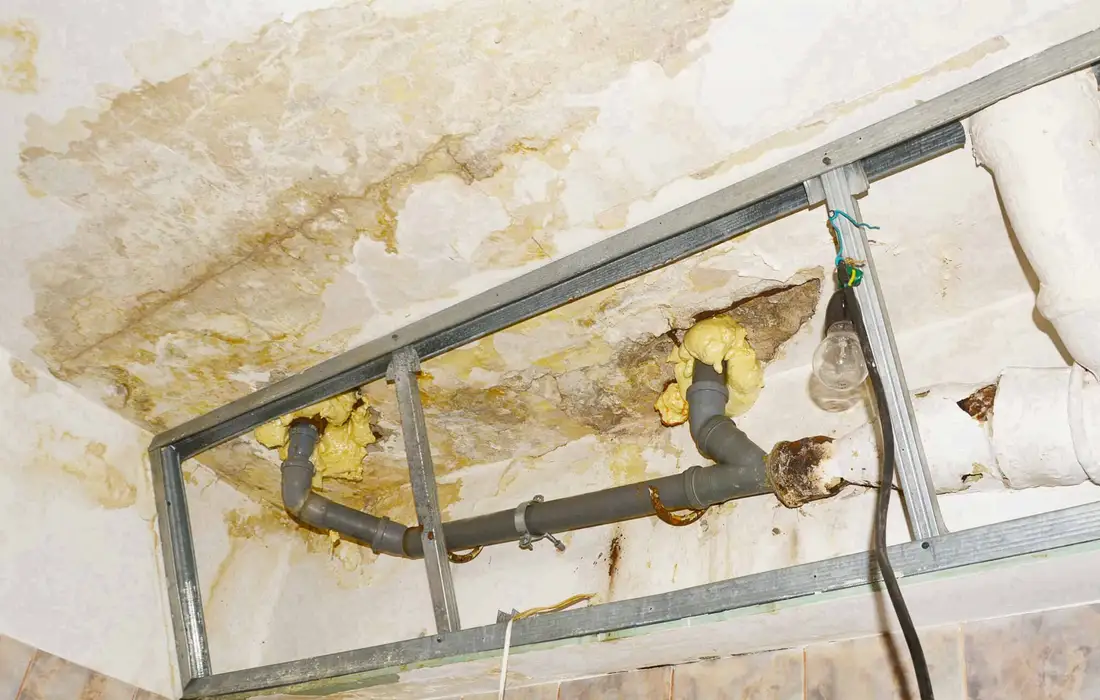
- Stop the water. Mold needs moisture to grow. EPA says to fix plumbing leaks and other water problems as soon as possible and dry all items completely.
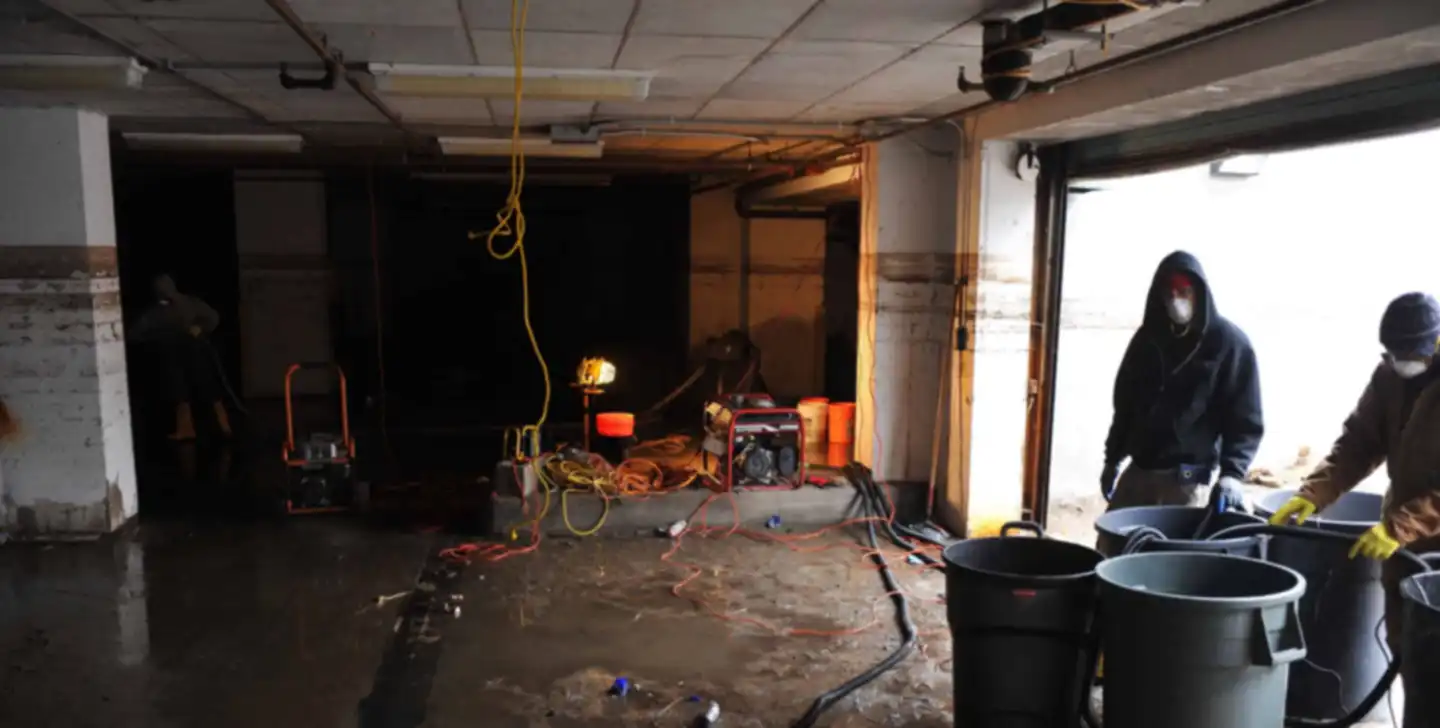
- If the water was sewage or floodwater, stop there. EPA says that if the water or mold damage was caused by sewage or other contaminated water, call in a professional who has experience with contaminated water.
- Check the heating and cooling system. If there is mold near the system’s air intake, or the system is part of the moisture problem, EPA says not to run it, because “it could spread mold throughout the building.”
- Think about who is in the house. EPA advises anyone with health concerns to consult a health professional before starting cleanup.
- Measure the patch. Size decides whether this is a weekend job or a call to a pro. See the next section.
How Big Is It? The 10 Square Foot Rule
EPA’s guidance for homeowners turns on one number. If the moldy area is less than about 10 square feet, roughly a 3 foot by 3 foot patch, EPA says that in most cases you can handle the job yourself.
Above that, or wherever there has been a lot of water damage, EPA points to its professional remediation guidance, written for schools and commercial buildings but, in EPA’s words, “applicable to other building types.”
| What you found | What EPA guidance points to |
|---|---|
| Under about 10 sq ft, clean water source (leak, condensation) | Usually a DIY job with protective gear |
| Over about 10 sq ft, or a lot of water damage | Professional remediation guidance |
| Caused by sewage or other contaminated water | A professional experienced with contaminated water |
| Mold suspected in the heating and cooling system | Don’t run the system; check EPA’s air duct guidance first |
| Musty smell but no visible source | Consider an experienced professional |
Don’t Bother Testing It
It is natural to want to know what kind of mold it is. Official sources agree the answer doesn’t change what you do.
- CDC: “CDC does not recommend mold testing.” It adds: “You do not need to know the type of mold.”
- EPA: “In most cases, if visible mold growth is present, sampling is unnecessary.” EPA also notes that no EPA or other federal limits have been set for mold or mold spores.
- Minnesota Department of Health: “If you see or smell mold, you should assume that a problem exists.” It says it doesn’t matter whether mold is black, red or green; any mold indoors is a problem.
The Minnesota Department of Health adds that it is usually better to spend the money a test would cost on fixing the moisture problem and cleaning up the mold.
Cleaning a Small Patch Yourself
For an area under about 10 square feet on a clean water problem, EPA’s steps are simple.
Gear first. EPA suggests an N-95 respirator, long gloves that reach the middle of the forearm, and goggles without ventilation holes. Ordinary household rubber gloves are fine with water and a mild detergent. The Minnesota Department of Health says that if you cannot use a respirator or are sensitive to mold, consider hiring a professional.
Then the cleanup:
- Hard surfaces: scrub the mold off with detergent and water, then dry completely (EPA).
- Soft, porous materials: ceiling tiles and carpet may have to be thrown away, because EPA says mold can fill the crevices of porous materials and be “difficult or impossible to remove completely.” The Minnesota Department of Health lists carpet, drywall, insulation and paper as items to bag and throw away if they are growing mold.
- Bag it before you carry it. The Minnesota Department of Health advises sealing moldy material in plastic before carrying it through the home.
- Don’t paint over it. EPA says not to paint or caulk moldy surfaces. Clean and dry them first; paint applied over mold is likely to peel.
- Ventilate. CDC says to open windows and doors to provide fresh air while you work.
About bleach. EPA does not recommend bleach or other biocides as a routine part of mold cleanup, and adds: “Dead mold may still cause allergic reactions in some people, so it is not enough to simply kill the mold, it must also be removed.” If you do use bleach on a hard surface, CDC says to use no more than 1 cup of household laundry bleach in 1 gallon of water, and “Never mix bleach with ammonia or other cleaners.” For home remedies, see our post on whether baking soda kills mold.
About ozone. Some air cleaners are sold to treat mold with ozone. The Minnesota Department of Health says studies have shown ozone is not effective at killing airborne or surface mold, and it does not recommend ozone for mold. Our guide to air purifiers and mold explains what filtering the air can and can’t do.
Fix the Water, or It Comes Back
EPA puts it simply: “The key to mold control is moisture control.” And: “If you clean up the mold, but don’t fix the water problem, then, most likely, the mold problem will come back.”
Common water sources EPA and the Minnesota Department of Health point to:
- Plumbing leaks and roof leaks
- Gutters and ground that slopes toward the foundation
- Clogged air conditioning drip pans and drain lines
- Condensation on windows, walls and cold pipes
- Bathrooms and kitchens without fans vented outside
EPA recommends keeping indoor humidity below 60 percent, ideally between 30 and 50 percent, and says wet materials dried within 24 to 48 hours after a leak or spill will, in most cases, not grow mold. If you rent, EPA says to report leaks and moisture problems to your building owner or manager right away.
Mold You Can Smell but Not See
A musty smell with no visible growth often means mold is hidden. EPA lists likely places: the back of drywall, wallpaper or paneling, the top of ceiling tiles, the underside of carpet and pad, inside walls around leaking or sweating pipes, inside ductwork, and above ceilings after roof leaks.
Looking for it means opening things up, which can release spores. EPA’s advice is that if you believe you may have a hidden mold problem, consider hiring an experienced professional. Our posts on what a musty smell in the house means and whether mold spreads through drywall cover the signs in more detail.
Health: Who Should Stay Away
Mold affects people differently. CDC says that for some people, mold can cause a stuffy nose, sore throat, coughing or wheezing, burning eyes or skin rash. CDC also says:
- “People with asthma or who are allergic to mold may have severe reactions.”
- Immune-compromised people and people with chronic lung disease may get infections in their lungs from mold.
EPA’s flood cleanup guidance says people with breathing problems like asthma, or with weakened immune systems, should stay away from moldy sites. If you or anyone in the house has symptoms you think are linked to mold, see a doctor.
When the Job Is Beyond DIY
Call a professional when any of these apply:
- The mold covers more than about 10 square feet, or there has been a lot of water damage (EPA).
- The water was sewage or other contaminated water (EPA).
- You suspect mold in the heating and cooling system (EPA).
- You suspect hidden mold inside walls, ceilings or floors (EPA).
- You can’t wear a respirator, or you or someone at home is sensitive to mold (Minnesota Department of Health).
When you hire, EPA says to make sure the contractor has experience cleaning up mold, check references, and ask them to follow EPA’s remediation guidance, the guidelines of the American Conference of Governmental Industrial Hygienists, the Institute of Inspection, Cleaning and Restoration Certification (IICRC), or other professional or government guidelines. In its flood cleanup guidance, EPA says it does not have a certification program or keep a list of contractors, and that some states may require certification or training. For larger jobs, the Minnesota Department of Health describes separating the work area with plastic sheeting and exhausting its air outdoors; our air scrubber guide explains the machines used. For what the full job involves, see our page on mold remediation.
Need Help With Mold?
If the patch is bigger than you can safely handle, keeps coming back, or you can smell mold you can’t find, get it looked at before it spreads further. We’ll connect you with local mold remediation and water damage restoration professionals who can find the moisture source and remove the mold safely. Call us any time, or request a free estimate.
Frequently asked questions
What should I do first when I find mold in my house?
Leave it alone for a moment and look for the water feeding it. EPA says you must clean up the mold and fix the water problem, or the mold will most likely come back. Then measure the patch: EPA says an area under about 10 square feet is in most cases a job you can handle yourself.
Should I test the mold to find out what type it is?
Usually not. CDC does not recommend mold testing and says you do not need to know the type of mold. EPA says that in most cases, if visible mold growth is present, sampling is unnecessary. Whatever the type, it should be removed.
Is it safe to stay in the house with mold?
It depends on the people and the size of the problem, so there is no single answer. CDC says people with asthma or mold allergies may have severe reactions, and people with weakened immune systems or chronic lung disease may get lung infections from mold. Anyone with symptoms or health concerns should talk to a doctor.
Can I just spray bleach on mold?
EPA does not recommend bleach or other biocides as a routine part of mold cleanup, and notes that dead mold may still cause allergic reactions, so the mold has to be removed, not just killed. If you use bleach on a hard surface, CDC says use no more than 1 cup of household laundry bleach in 1 gallon of water and never mix it with ammonia or other cleaners.
When should I call a professional for mold?
EPA points to professional guidance when mold covers more than about 10 square feet, when there has been a lot of water damage, when the water was sewage or other contaminated water, or when you suspect mold in the heating and cooling system or hidden behind walls.