Water Stain on the Ceiling: What It Means and What to Do
Quick Answer
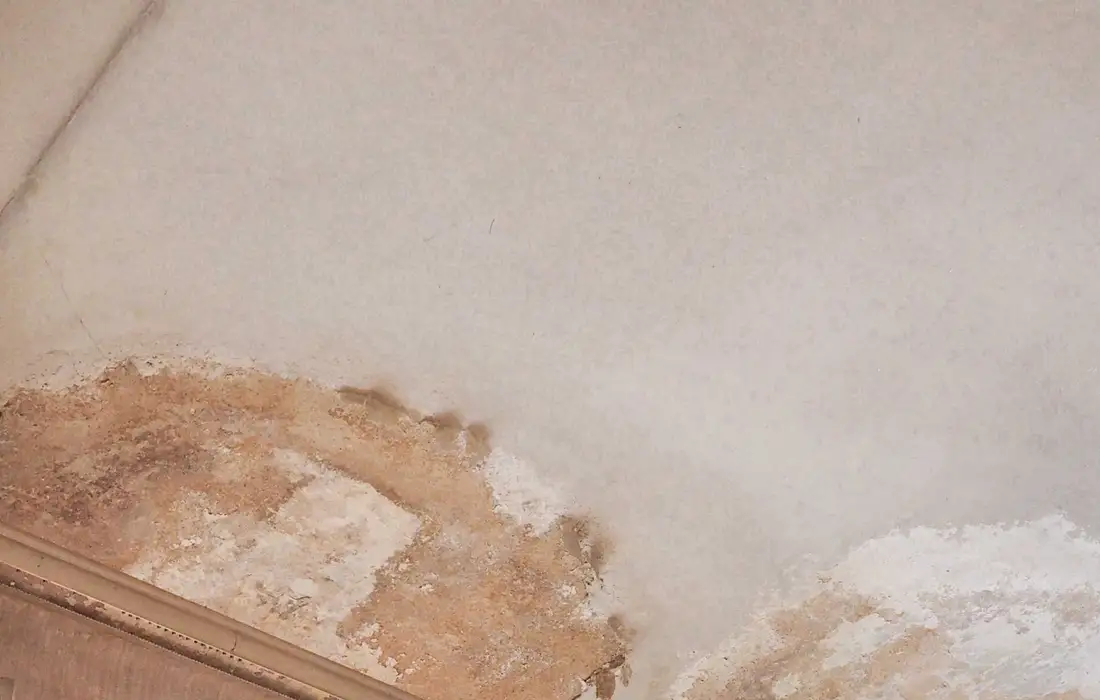
A water stain on the ceiling means water reached the ceiling from above: a roof leak, plumbing, an air conditioner drain or condensation in the attic. First check whether it is still wet and stay safe around lights and any sagging. Then find and fix the source before you paint, because EPA says wet materials should be dried within 24 to 48 hours to prevent mold.
What to Do Right Now
If the stain is dry and old, you have time to investigate. If it is wet, dripping, spreading or sagging, act now, in this order:
- Keep away from wet electrics. If water is near a light fixture, ceiling fan or outlet, don’t touch it and turn off that circuit at the breaker. The American Red Cross warns: “Do not touch electrical equipment if it is wet or if you are standing in water because you could get electrocuted.”
- Get people and pets out from under a sagging ceiling. The Red Cross says a sagging ceiling has gotten wet, which makes it heavy and dangerous, and that it will have to be replaced. Its guidance is to stand away from the damaged area and let water out from the outside edge of the bulge, never the middle: “Striking the center of the damaged area may cause the whole ceiling to collapse.” If you’re not sure, leave it to a professional.
- Stop the water if you can. If a bathroom, toilet or supply line upstairs is the obvious cause, shut off the fixture’s valve or the main water valve.
- Catch the drips and protect what’s below. Put down a bucket and towels, and move furniture and rugs out of the way.
- Take photos. Photograph the stain, any drips and anything damaged before you clean up. You may need them if you contact your insurer.
- Start drying. EPA says: “It is important to dry water-damaged areas and items within 24-48 hours to prevent mold growth.”
Is the Leak Still Active?
A stain shows that water got there at some point. It doesn’t tell you whether it’s still happening. Some simple checks:
- Touch it. Damp, soft or cool drywall points to recent water.
- Mark the edge. Trace around the stain lightly in pencil, then look again in a few days and after the next rain. A stain that grows is an active leak.
- Use a moisture meter. EPA notes that moisture meters can be used on materials such as wallboard and wood, and can monitor drying. Our guide to normal moisture meter readings explains what the numbers mean.
- Note when it appears. A stain that darkens after rain points to the roof. One that grows after showers points to plumbing. One that shows up in summer under the air handler or in cold weather near outside walls points to condensation.
Common Causes of a Ceiling Water Stain
Where the stain is and when it appears usually tell you where the water comes from. EPA’s mold course lists leaking roofs, leaking or condensing water pipes, and poorly draining condensate drain pans inside air handling units among common moisture problems.
| Where the stain is | Likely source | Clue |
|---|---|---|
| Top floor, near an outside wall or chimney | Roof leak or flashing | Worse after rain |
| Below a bathroom or kitchen | Plumbing, tub, shower or toilet | Grows after water is used upstairs |
| Near an attic air handler or vent | Air conditioner condensate drain | Appears in cooling season |
| Top floor, near the eaves, in winter | Ice dam | After snow, during a thaw |
| Top floor, spread out or spotty | Attic condensation | Cold weather, damp insulation |
Roof and flashing leaks
The US Department of Energy lists this among the ways moisture gets into the attic: “Leaks in the roof or improperly installed flashing around chimneys and other roof penetrations.”
Plumbing above the ceiling
A stain under a bathroom often comes from a supply line, drain, toilet seal or a gap around a tub or shower.
Air conditioner drain lines
If your air handler sits in the attic or above a ceiling, a clogged drain line or overflowing drip pan can soak the drywall below. EPA’s advice: “Keep air conditioning drip pans clean and the drain lines unobstructed and flowing properly.”
Ice dams
In snowy climates, a stain near the top of an outside wall in winter can come from an ice dam. The NAIC explains that ice dams form when heavy snow melts and refreezes, and that the melted ice can leak and cause indoor water damage. The Minnesota Department of Commerce, quoted by the Center for Energy and Environment, says “Ice dams occur when heat gets into the attic and melts the underside of the snow on the roof.” The same guide warns against climbing onto the roof to break up an ice dam.
Attic condensation
Not every stain comes from a leak. The Department of Energy says venting exhaust fans from the living space into the attic “provides a major source of moisture,” and that kitchen ranges, bathroom fans and dryers in many homes vent into the attic instead of outside. Warm, humid air leaking up through gaps around lights, wires and ducts can do the same. The DOE’s signs of attic moisture include wet insulation near the eaves and mold or mildew on attic surfaces.
What a Stain Can Hide
The stain you see is the end of the path, not the whole problem. EPA lists the top side of ceiling tiles and “roof materials above ceiling tiles (due to roof leaks or insufficient insulation)” among places mold can hide.
A long-running leak can also do structural damage. EPA’s remediation guide says that in the case of a long-term roof leak, “molds can weaken floors and walls as the molds feed on wet wood,” and that if you suspect mold has damaged building integrity, you should consult a structural engineer or other expert.
On health, EPA says molds produce allergens and irritants, and adds: “Molds can also cause asthma attacks in people with asthma who are allergic to mold.” If anyone in the home has symptoms, see a doctor. For more on how far mold can travel once it’s inside, see can mold spread through drywall.
Repairing the Stain
Fix the source first. Painting over an active leak only hides it until it comes back.
Once the leak is fixed:
- Dry the area completely. Fans and a dehumidifier help. Check with a moisture meter that the drywall is back to normal before you close anything up.
- Look for mold. If you see mold or smell a musty odor, clean it up before any paint goes on. EPA: “Do not paint or caulk moldy surfaces. Clean up the mold and dry the surfaces before painting. Paint applied over moldy surfaces is likely to peel.”
- Replace what can’t be saved. EPA says absorbent materials such as ceiling tiles “may have to be thrown away if they become moldy.” A ceiling that has sagged will need to be replaced, as the Red Cross notes.
- Expect a mark. EPA notes that mold may cause staining and cosmetic damage, and it may not be possible to clean an item so its original appearance is restored.
If a room keeps smelling damp after the repair, read why your house smells musty.
When to Call a Professional
A small, old, dry stain from a leak that has already been fixed is often a DIY repair. Call in professionals when:
- The ceiling is sagging or the leak is ongoing. This is urgent, and the wet section will need to come down.
- Mold covers more than about 10 square feet. EPA says that for an area smaller than that, “in most cases, you can handle the job yourself,” and points to its professional remediation guidance for anything larger or for a lot of water damage.
- The water came from a toilet or sewer line. EPA says that if the damage was caused by sewage or other contaminated water, “call in a professional who has experience cleaning and fixing buildings damaged by contaminated water.”
- You can’t find the source, or you suspect hidden mold. EPA advises hiring an experienced professional if you believe you have a hidden mold problem.
- Anyone in the home has health concerns. EPA says to consult a health professional before starting cleanup.
Professional water damage restoration crews can find the source, dry the ceiling and attic, and replace damaged material. If mold has already grown, mold remediation removes it under containment.
Insurance and Renters
Coverage depends on what caused the stain and on your policy. The NAIC says homeowners policies cover damage from a “sudden and accidental” discharge from a plumbing system, and that if your insurer determines you neglected your plumbing system, the damage may not be covered. For winter weather, the NAIC suggests reviewing your policy to make sure that kind of damage is covered, and contacting your insurance agent or company, or your state department of insurance, for help. Policies differ, so read your own and ask your insurer before you assume anything.
If you rent, EPA’s advice is direct: “Report all plumbing leaks and moisture problems immediately to your building owner, manager, or superintendent.”
Stain Still Spreading?
A ceiling stain that keeps growing, comes back after you paint, or smells musty means water is still getting in somewhere. We’ll connect you with local water damage and mold professionals who can trace the leak, dry the ceiling and repair it properly. Call us any time, or request a free estimate.
Frequently asked questions
Does a water stain on the ceiling mean there is an active leak?
Not always. A stain shows that water reached the ceiling at some point, but the leak may have stopped. Press on it, check it with a moisture meter, or draw around the edge in pencil and watch whether it grows over the next few days or after the next rain.
Can I just paint over a ceiling water stain?
Only once the source is fixed and the ceiling is fully dry. EPA advises against painting moldy surfaces: clean up the mold and dry the surface first, because paint applied over mold is likely to peel.
How fast do I need to deal with a wet ceiling?
Quickly. EPA says it is important to dry water-damaged areas and items within 24 to 48 hours to prevent mold growth. In most cases, mold will not grow if materials are dried within that window.
Is a sagging ceiling dangerous?
Yes. The American Red Cross says a sagging ceiling has gotten wet, which makes it heavy and dangerous, and it will have to be replaced. Keep people and pets out from under it, and turn off power to any light or fan in the wet area at the breaker.
Will homeowners insurance pay for a ceiling water stain?
It depends on your policy and the cause. The NAIC says homeowners policies cover damage from a sudden and accidental discharge from a plumbing system, but damage may not be covered if the insurer decides the plumbing was neglected. Check your own policy and ask your insurer.
Sources
- EPA: A Brief Guide to Mold, Moisture and Your Home
- EPA: Mold Remediation in Schools and Commercial Buildings, Chapter 3
- EPA: Mold Course, Chapter 2
- American Red Cross: Checking Your Home's Structure
- American Red Cross: Flood Safety
- US Department of Energy: Consumer Guide to Durable Attics
- NAIC: Will My Homeowners Insurance Policy Cover Water Damage From a Burst Pipe? (Feb. 8, 2024)
- NAIC: How Can I Protect My Home From Winter Weather? (Feb. 6, 2025)
- Center for Energy and Environment: Dealing with Ice Dams