Air Scrubber vs Air Purifier: Which Do You Need?
Quick Answer
An air scrubber is a heavy-duty HEPA fan unit that restoration crews run during mold remediation and water damage work, to capture the spores and dust the job stirs up. An air purifier is a quieter unit made to run every day in the rooms you live in. Most homes need a purifier, not a scrubber.
Why the Two Get Mixed Up
Both machines pull air through a filter, and the names sound alike. The term “air scrubber” also gets used for three different things:
- The restoration machine. A portable, boxy unit that crews bring into a house for mold or water damage work. This is what the trade means by the term.
- An add-on for a heating and cooling system. Some HVAC companies sell a device that sits in the ductwork under the same name.
- A home unit sold as an air scrubber. Some brands use the name for machines built for everyday use in a house.
This guide compares the first one with the home air purifier, because those are the two a homeowner with a mold or moisture worry is choosing between.
What an Air Scrubber Does
An air scrubber moves a large volume of air through a coarse pre-filter and then a HEPA filter. Some add a carbon stage for odors.
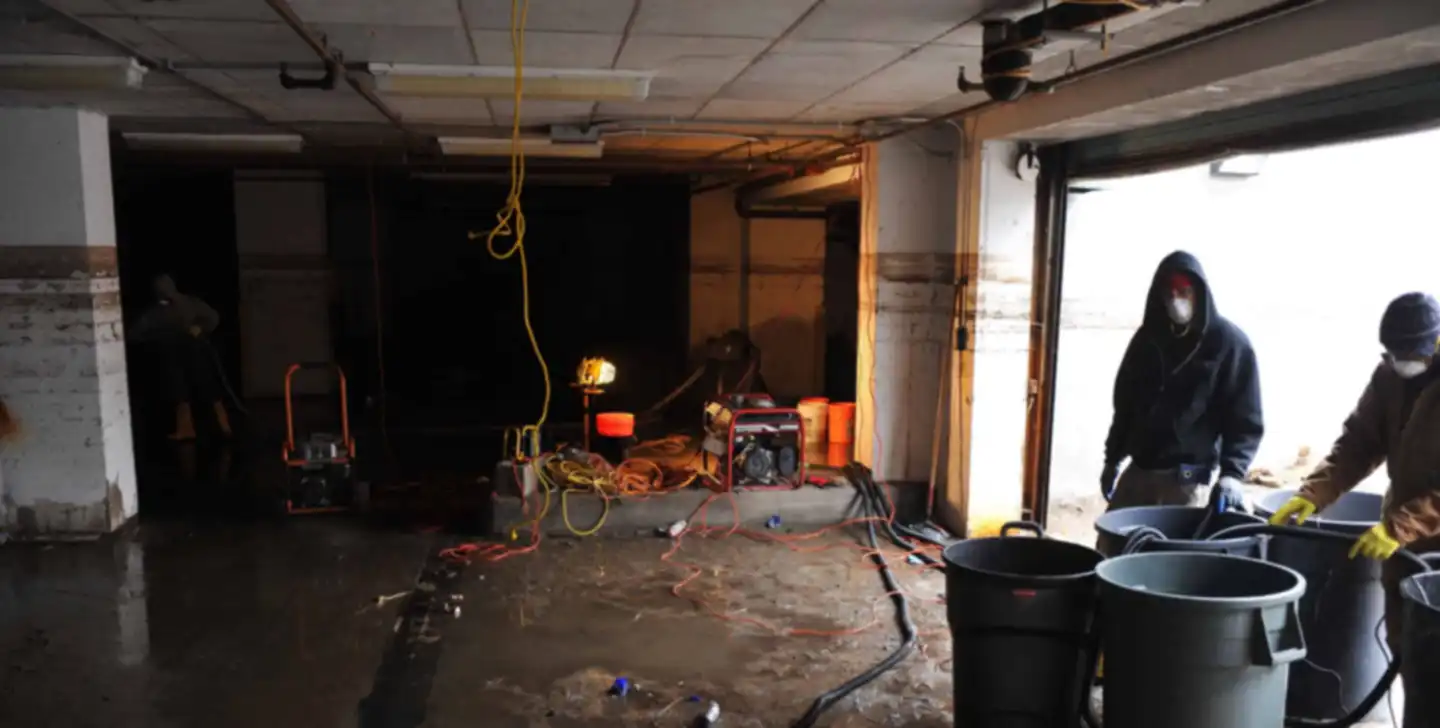
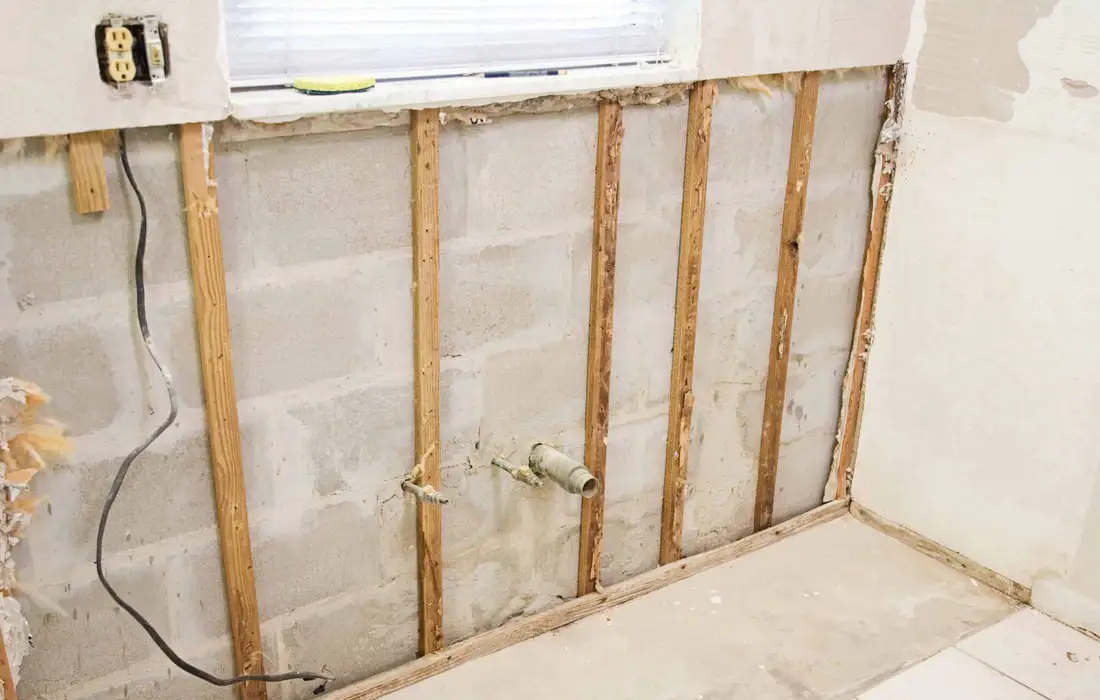
Crews use them because remediation is messy. EPA’s mold remediation guidance warns that when a job “disturbs mold and mold spores become airborne, then the risk of respiratory exposure goes up.” Cutting out moldy drywall or lifting wet carpet does exactly that.
Often the crew ducts the machine’s exhaust outdoors. That turns it into what the trade calls a negative air machine. The work area is sealed with plastic sheeting and the machine pulls air out of it, so air leaks in but not out. EPA’s guidance describes the same setup: “The containment area must be maintained under negative pressure relative to surrounding areas,” and “This can be done with a HEPA-filtered fan unit exhausted outside of the building.”
So the scrubber is one part of a system. The plastic containment, the protective gear and the cleanup method matter as much as the machine. That is how professional mold remediation keeps spores out of the rest of the house.
The trade-off is comfort. Air scrubbers are loud and bulky, and they’re built for a job site, not a bedroom.
What an Air Purifier Does
An air purifier does a gentler version of the same job. EPA calls them portable air cleaners. One pulls room air through a filter and returns it cleaner.
Many use a HEPA filter, which EPA says “can theoretically remove at least 99.97% of dust, pollen, mold, bacteria, and other airborne particles with a size of 0.3 microns.” That size is the hardest to catch. In EPA’s words, “Particles that are larger or smaller are trapped with even higher efficiency.”
Purifiers are sized by room, using a number called CADR (clean air delivery rate). The higher the CADR, the more air the unit cleans each minute. They’re quiet enough to live with and made to run all day.
Air scrubber vs air purifier at a glance
| Air scrubber | Air purifier | |
|---|---|---|
| Made for | Job sites: mold remediation, water damage, heavy dust | Everyday use in lived-in rooms |
| Airflow | Very high | Lower, matched to one room |
| Noise | Loud | Quiet on low, noticeable on high |
| How long it runs | Days or weeks, for the length of the job | All year |
| Negative pressure | Yes, when ducted outdoors | No |
| Who runs it | Restoration crews and contractors | You |
| How you get one | The crew brings it, or you rent by the day or week | You buy it |
Which One Do You Need?
It depends on what’s going on in your home.
- Dust, pollen or pet dander: an air purifier. This is what they’re made for.
- A musty smell with no obvious source: neither, at first. That smell usually points to hidden mold or damp, and no machine fixes that. Start with why your house smells musty and find the source.
- Mold remediation under way: an air scrubber, set up and run by the crew, inside containment.
- A flood, burst pipe or major leak: a restoration crew brings drying equipment, and often air scrubbers too. EPA says “It is important to dry water-damaged areas and items within 24-48 hours to prevent mold growth,” so speed matters more than which machine you own. See water damage restoration.
- After remediation is finished: an air purifier, to keep everyday dust and spores down once the source is gone.
- A dusty renovation: renting an air scrubber for a few days can make sense for sanding or demolition dust.
Choosing a Home Air Purifier
You don’t need the most expensive one. EPA’s guide to air cleaners covers what counts:
- CADR that fits the room. EPA’s chart gives a minimum CADR of 65 for a 100 square foot room, 195 for 300 square feet and 390 for 600 square feet. That works out to roughly two-thirds of the floor area.
- A HEPA filter. EPA notes that portable air cleaners often achieve a high CADR by using one.
- No ozone. EPA: “Avoid portable air cleaners and furnace/HVAC filters that intentionally produce ozone. Ozone is a lung irritant.”
- Noise you can live with. If noise would stop you running it, EPA suggests a unit with a low published noise rating.
- Filter costs. Before you buy, check the price of replacement filters and how often the maker says to change them.
For more on what a purifier can and can’t do about mold, see do air purifiers help with mold.
What Neither Machine Fixes
Both machines clean the air. Neither touches mold growing on drywall, under carpet or inside a wall, and neither removes the moisture mold lives on.
EPA is direct about it: “Portable air cleaners and furnace/HVAC filters do not address the cause of mold and musty odors.” They “may remove some of the particles generated by mold,” and may help with odors in some cases, “but they will not resolve a mold and moisture problem.”
If the source stays, the mold keeps growing and keeps releasing spores. You’d be filtering the same air while the damage behind the wall gets worse.
Renting an Air Scrubber for DIY Mold Cleanup
For a small patch, you don’t need one. EPA’s homeowner guide says that if the moldy area is “less than about 10 square feet (less than roughly a 3 ft. by 3 ft. patch), in most cases, you can handle the job yourself.”
For anything larger, a rented scrubber on its own isn’t the answer. EPA’s remediation guidance calls for containment once the moldy area is more than 10 square feet: plastic sheeting around the work area, kept under negative pressure. A scrubber running in an open room filters some air, but it doesn’t stop spores from spreading while you cut and scrub. The machine works as part of the full setup, and that setup is what a trained crew brings.
Mold or Water Damage That Needs More Than a Machine?
An air purifier is a fine thing to own, but it’s a helper. If you can see mold over more than a small patch, a musty smell keeps coming back, or you’ve had a leak or flood, the source needs finding and fixing. We’ll connect you with local mold and water damage professionals who bring the containment, the air scrubbers and the training to use them. Call us any time, or request a free estimate.
Frequently asked questions
Is an air scrubber the same as an air purifier?
No. Both pull air through a filter, but an air scrubber is a high-powered machine for job sites such as mold remediation and water damage cleanup. An air purifier is a quieter unit made to run every day in the rooms you live in.
Do air scrubbers remove mold?
They capture mold spores in the air. They don't remove mold growing on surfaces. Crews run them during remediation to catch what gets stirred up while the mold itself is physically removed and the moisture source is fixed.
What is a negative air machine?
It's an air scrubber with its exhaust ducted outdoors. Pulling air out of a sealed work area keeps it at lower pressure than the rest of the house, so dusty or spore-filled air can't drift into clean rooms. EPA's mold remediation guidance describes this as a HEPA-filtered fan unit exhausted outside of the building.
Can I run an air scrubber at home every day?
You could, but you wouldn't want to. Air scrubbers are loud, large and built for job sites. For daily use, a home air purifier sized for the room does the job far more comfortably.
Should I rent an air scrubber to clean up mold myself?
For a patch under about 10 square feet, EPA says most homeowners can handle the cleanup themselves, and a scrubber isn't needed. For larger areas the scrubber only works as part of a contained work area under negative pressure, which is a job for a trained crew.