
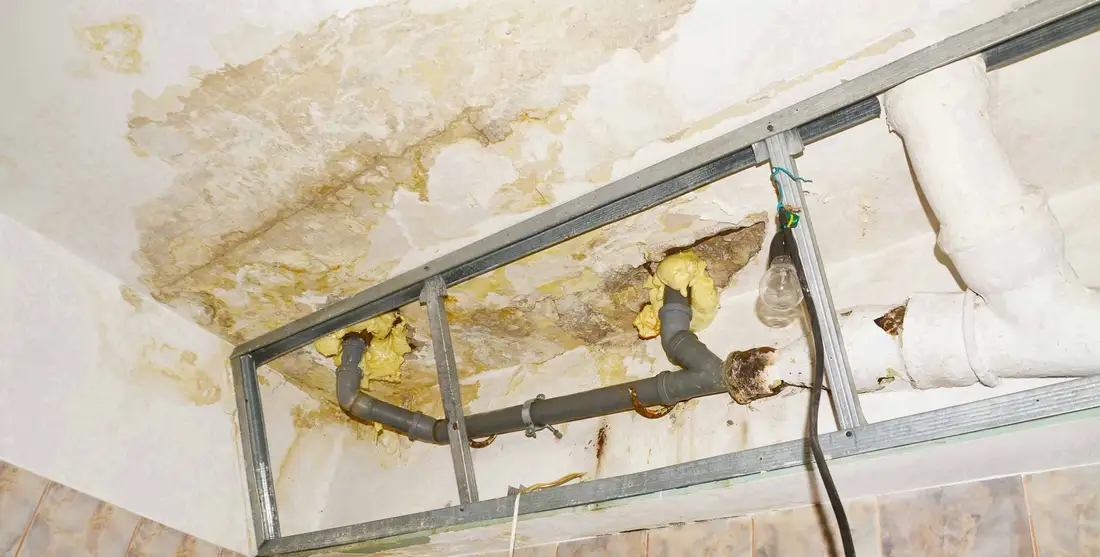
24/7 emergency water cleanup
Water Damage Restoration in Fort Lauderdale, FL
Standing water, a flooded ground floor or a soaked ceiling in Fort Lauderdale? Call (954) 836-7911 any time and we'll connect you with trusted local water damage restoration professionals who can extract the water, dry the structure and repair what was damaged. In an emergency it's often the fastest way to get someone out.
-
Call Today
-
Fort Lauderdale, FL Office
-
Send Email
What's included
- Emergency water extraction
- Structural drying with air movers and dehumidifiers
- Moisture mapping with meters and thermal imaging
- Removal of wet drywall, flooring and insulation that can't be saved
- Cleaning and sanitizing, including after sewage or flood water
- Repairs to walls, ceilings and floors

What causes water damage in Fort Lauderdale homes
- Rain that overwhelms the drainage. About 61 inches a year, most of it from mid May to mid October (NOAA; NWS Miami), on flat ground that drains slowly. April 12, 2023 put more than 22 inches on the airport in a day, with 3 feet of standing water in Edgewood and 1 to 2 feet downtown (NWS); June 2024 brought 13.69 inches to the airport and 20-plus to Hallandale and Hollywood (NOAA WPC). Water comes in under doors, through garages and up through floor drains, in homes nowhere near a canal.
- Hurricanes and tropical storms. Irma's hurricane-force winds and 3 feet of coastal inundation in 2017 (NWS); wind-driven rain through roofs, windows and sliding doors in any named storm.
- King tides. On at least 40 days a year, mostly September to November, the lowest neighborhoods see saltwater in the streets, and driving through it pushes water onto private property (City of Fort Lauderdale). Salt water is corrosive and treated as contaminated.
- AC condensate lines. Central air runs nearly all year here and pulls gallons of water out of the air daily. When the drain line clogs, the pan overflows into the ceiling or the closet below. Florida's mechanical code requires an auxiliary drain pan, overflow line or float switch where overflow could damage the building (Florida Mechanical Code 307.2.3); older systems often lack them.
- Supply lines, appliances and roofs. Washing machine hoses, ice-maker lines, water heaters and toilet supply lines fail without warning, and a roof that lost a few tiles in the last storm shows a stain weeks later.
What to expect, step by step
- Call (954) 836-7911. Tell us where the water is and roughly how much. We connect you with a local professional who gives you their arrival time.
- Stop the water. If it's a pipe or appliance, shut the supply valve or the main. If it's electrical, keep out of standing water until the power to that area is off.
- Inspection and estimate. The professional maps the wet area with a moisture meter, works out what can be dried in place and what has to come out, and gives you a written estimate. You decide before any work starts.
- Extraction and demolition. Standing water is pumped out; soaked carpet pad, drywall and insulation that can't be saved are removed and bagged. After flood water, the cut is usually made above the water line.
- Drying. Air movers and dehumidifiers run for several days. Readings are taken daily until the materials match dry, unaffected ones (see what a normal moisture meter reading is).
- Cleaning and repairs. Sanitizing where needed, then drywall, paint, trim and flooring put back.
The EPA's rule of thumb is that materials dried within 24 to 48 hours usually won't grow mold (EPA). In Broward's humidity, and in a house without power after a storm, that clock runs fast. Calling the same day matters more than anything else you do.
Signs of hidden water damage
- A musty smell with nothing visible, especially in a closet, under a sink or near the air handler
- Baseboards swelling or pulling away, or laminate flooring lifting at the edges
- Paint bubbling, drywall tape lifting, or a ceiling stain that grows
- A water bill that jumped with no change in use
- Condensation or rust on the air handler's drain pan
- A tide line on the garage wall after a storm or high tide
Any of these is worth a moisture check before it becomes a mold job. Our guide on how mold spreads through drywall shows what happens behind the wall if it's left.
What water damage restoration costs in Fort Lauderdale
Published national figures put water damage restoration at $1,200 to $5,000 with an average around $3,000 (Fixr, 2025; Bob Vila). Clean water from a supply line is cheapest to deal with; gray water from appliances costs more; black water from sewage, storm flooding or salt water costs the most because everything it touched has to be removed and sanitized. Whole-floor flooding after an event like April 2023 sits at the top of the range, and demand after a regional event pushes prices and waiting times up.
Whatever the figure, you get it in writing after the inspection and before any work starts.
Insurance
Standard homeowners policies cover sudden, accidental discharge of water from plumbing, heating, air conditioning or an appliance, and exclude flood water from outside and damage from lack of maintenance (Insurance Information Institute). Flood damage needs a separate policy through the National Flood Insurance Program (FEMA). Fort Lauderdale takes part in the NFIP's Community Rating System, which earns residents a discount on flood premiums (FEMA CRS communities, April 2024), and the city notes that a majority of residents live in or near a flood hazard area, so flood cover is worth having even on a street that has never flooded. Photograph the damage before anything is moved, keep receipts, and call your insurer early; the restoration professional's moisture readings and photos go into the claim.
When to call right now
- Water is still coming in and you can't stop it
- Standing water in living space, or any sewage backup
- A ceiling is sagging
- Water near electrical outlets, the panel or the air handler
- The wet area is bigger than a room, or it has been wet for more than a day
Call (954) 836-7911 and we'll connect you with local help straight away. For mold that has already appeared, see mold remediation in Fort Lauderdale.
Areas served around Fort Lauderdale
The professionals we work with cover Fort Lauderdale and the communities around it, including Downtown Fort Lauderdale, Las Olas, Victoria Park, Rio Vista, Coral Ridge, Wilton Manors, Oakland Park, Lauderdale-by-the-Sea, Pompano Beach, Plantation, Sunrise, Davie, Dania Beach, Hollywood, Lauderhill, Tamarac. Not listed? Call anyway and we'll find the nearest help.
Questions
Water Damage Restoration in Fort Lauderdale: your questions
How quickly can water damage restoration start in Fort Lauderdale?
Emergency extraction is normally same day. When you call we connect you with a local professional who tells you their arrival time before you commit. After a hurricane or a county-wide flood, demand spikes, so call as soon as it is safe.
Can I dry it myself with fans?
A small, clean-water spill on tile, yes: mop, fan, dehumidifier, done within a day or two. Wet drywall, baseboards, cabinets, carpet pad or anything that has been wet for more than 48 hours needs proper extraction and monitored drying, or it will grow mold inside the wall.
What about flood or tidal water?
It is treated as contaminated, and salt water also corrodes. Porous materials it touched (carpet, pad, drywall, insulation, lower cabinets) are removed, usually to above the water line, and hard surfaces are cleaned and sanitized. Standard homeowners insurance does not cover flood water; NFIP flood insurance does.
My AC leaked through the ceiling. Is that water damage restoration?
Yes, and it is one of the most common calls in South Florida. The wet drywall and insulation above the ceiling have to be dried or removed, and the condensate line cleared and fitted with a float switch or secondary pan so it does not happen again.
How long does drying take?
Typically three to five days of air movers and dehumidifiers for a room, longer for cabinets, subfloors or a whole flooded floor. The professional takes moisture readings daily and stops when they match dry areas of the house.
Is Damp Solving the restoration company?
No. We connect you with trusted local water damage professionals and they do the inspection, the estimate and the work. It is often the fastest way to get someone out to you in an emergency.
Google reviews
What customers say about Damp Solving
Genuine Google reviews from people who called Damp Solving, across all of our offices.