
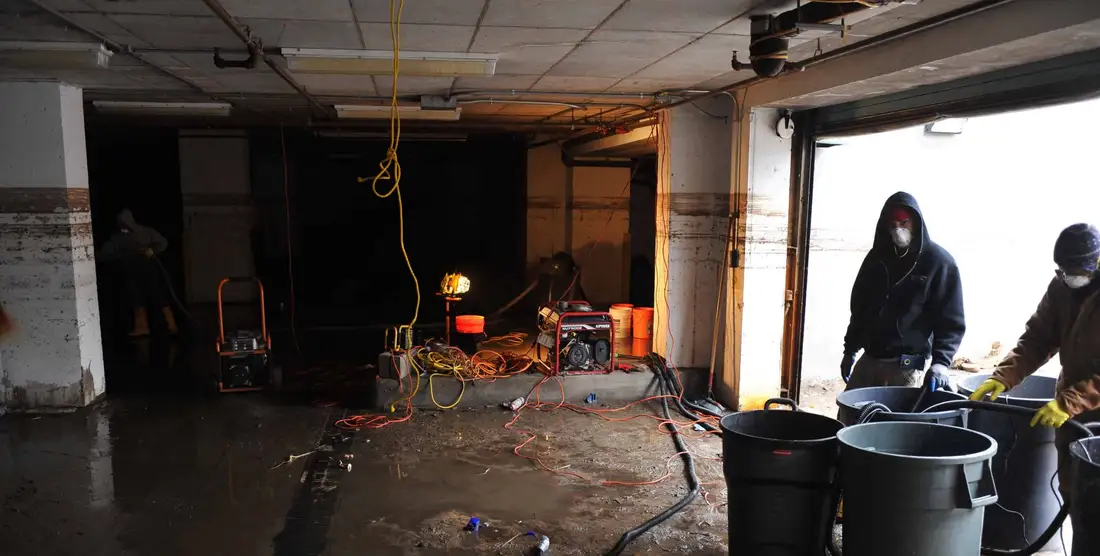
24/7 emergency water cleanup
Water Damage Restoration in Dallas, TX
Standing water, a soaked ceiling after a storm, or a slab leak in Dallas? Call (945) 468-7911 any time and we'll connect you with trusted local water damage restoration professionals who can extract the water, dry the structure and repair what was damaged. In an emergency it's often the fastest way to get someone out.
-
Call Today
-
Dallas, TX Office
1910 Pacific Ave Ste 2000 Dallas, TX 75201
-
Send Email
What's included
- Emergency water extraction
- Structural drying with air movers and dehumidifiers
- Moisture mapping with meters and thermal imaging
- Removal of wet drywall, flooring and insulation that can't be saved
- Cleaning and sanitizing, including after sewage or flood water
- Repairs to walls, ceilings and floors
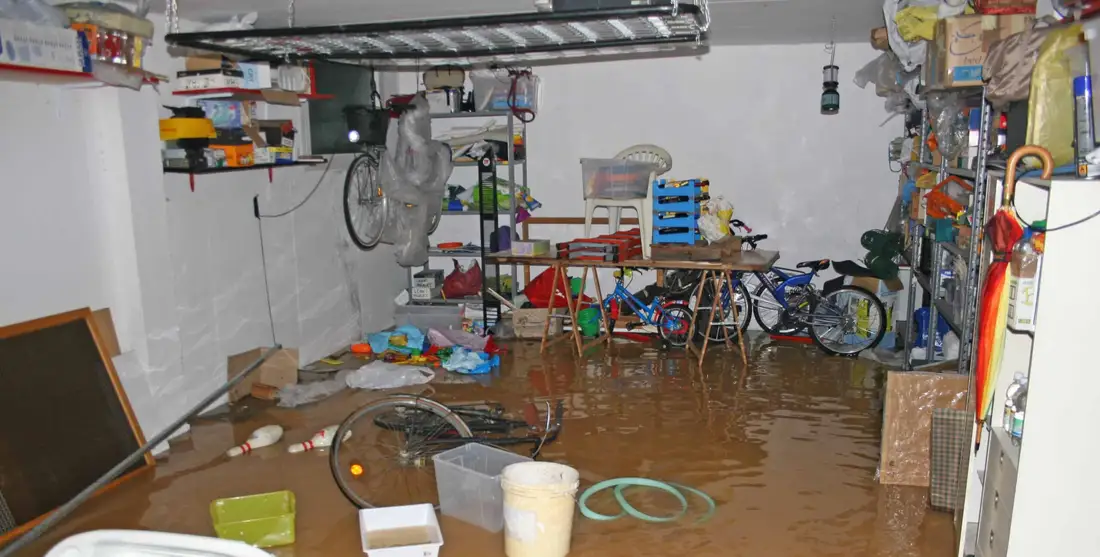
What causes water damage in Dallas homes
- Spring and fall storms. May and October are the wettest months, and the rain comes in thunderstorms with "large hail, damaging winds, flooding, and tornadoes" nearly every year (NWS; NWS). August 2022 showed the ceiling: 9.19 inches at DFW in 24 hours and more than 13 inches in 12 hours in parts of the city, a 1-in-1,000-year rainfall (NWS; NOAA).
- Hail and roof leaks. Texas led the country with 902 large-hail events in 2025 (III). Hail bruises shingles and cracks tile; the leak shows up as a ceiling stain after the next storm, with wet insulation above it.
- Freezes. Winter Storm Uri in February 2021 burst pipes across Texas: 511,473 insurance claims and about $11.5 billion in losses, with the average residential claim around $17,800 (Texas Department of Insurance). Dallas attics carry a lot of plumbing, and the state insurance department's own advice is to "start in the attic, where many Texas homeowners saw pipes freeze last winter" (TDI).
- Slab leaks. Almost all homes in the region sit on slab-on-grade foundations (97.9% of new single-family homes, NAHB) over clay soils that swell when wet and shrink in drought, stressing the slab and the pipes in it (Texas A&M AgriLife). Under Dallas that clay is Houston Black, 40 to 60% clay with cracks up to 4 inches wide in dry spells (USDA NRCS). A slab leak shows as a warm floor, a running meter or damp baseboards rather than a puddle.
- AC condensate lines and appliances. Central air runs from April to October and pulls gallons of water out of the air daily; a clogged drain line overflows into the ceiling or closet below. Washing machine hoses, water heaters and ice-maker lines fail without warning.
What to expect, step by step
- Call (945) 468-7911. Tell us where the water is and roughly how much. We connect you with a local professional who gives you their arrival time.
- Stop the water. If it's a pipe or appliance, shut the supply valve or the main. If it's electrical, keep out of standing water until the power to that area is off.
- Inspection and estimate. The professional maps the wet area with a moisture meter, works out what can be dried in place and what has to come out, and gives you a written estimate. You decide before any work starts.
- Extraction and demolition. Standing water is pumped out; soaked carpet pad, drywall and insulation that can't be saved are removed and bagged. After flood water, the cut is usually made above the water line.
- Drying. Air movers and dehumidifiers run for several days. Readings are taken daily until the materials match dry, unaffected ones (see what a normal moisture meter reading is).
- Cleaning and repairs. Sanitizing where needed, then drywall, paint, trim and flooring put back.
The EPA's rule of thumb is that materials dried within 24 to 48 hours usually won't grow mold (EPA). In a Dallas summer, or an attic that has been leaking since the last hail storm, that clock runs fast. Calling the same day matters more than anything else you do.
Signs of hidden water damage
- A musty smell with nothing visible, especially in a closet, under a sink or near the air handler
- A warm spot on the floor, cracks in tile, or baseboards pulling away from the wall (classic slab leak signs)
- A ceiling stain that appears after a storm and grows
- A water bill that jumped with no change in use
- Doors that stick, or new cracks in brick or drywall as the clay moves
Any of these is worth a moisture check before it becomes a mold job. Our guide on how mold spreads through drywall shows what happens behind the wall if it's left.
What water damage restoration costs in Dallas
Published national figures put water damage restoration at $1,200 to $5,000 with an average around $3,000 (Fixr, 2025; Bob Vila). Clean water from a supply line is cheapest to deal with; gray water from appliances costs more; black water from sewage or flooding costs the most because everything it touched has to be removed and sanitized. A roof leak that has soaked attic insulation and a ceiling, or a slab leak that needs the floor opened, sits toward the top of the range, and demand after a regional storm pushes prices and waiting times up.
Whatever the figure, you get it in writing after the inspection and before any work starts.
Insurance
Standard homeowners policies cover sudden, accidental discharge of water from plumbing, heating, air conditioning or an appliance, and exclude flood water from outside and damage from lack of maintenance (Insurance Information Institute). Flood damage needs a separate policy through the National Flood Insurance Program (FEMA). The Texas Department of Insurance adds that most Texas policies cover sudden and accidental water damage, usually won't cover gradual leaks, and most don't include mold cleanup after the damaged item is removed (TDI). Photograph the damage before anything is moved, keep receipts, and call your insurer early; the restoration professional's moisture readings and photos go into the claim.
When to call right now
- Water is still coming in and you can't stop it
- Standing water in living space, or any sewage backup
- A ceiling is sagging
- Water near electrical outlets, the panel or the air handler
- The wet area is bigger than a room, or it has been wet for more than a day
Call (945) 468-7911 and we'll connect you with local help straight away. For mold that has already appeared, see mold remediation in Dallas.
Areas served around Dallas
The professionals we work with cover Dallas and the communities around it, including Downtown Dallas, Uptown, Oak Lawn, East Dallas, Lakewood, Oak Cliff, Preston Hollow, Lake Highlands, Highland Park, University Park, Richardson, Plano, Garland, Irving, Mesquite, Carrollton, Addison. Not listed? Call anyway and we'll find the nearest help.
Questions
Water Damage Restoration in Dallas: your questions
How quickly can water damage restoration start in Dallas?
Emergency extraction is normally same day. When you call we connect you with a local professional who tells you their arrival time before you commit. After a hail storm, a freeze or a regional flood, demand spikes, so call as soon as it is safe.
Hail damaged my roof and now the ceiling is wet. Who do I call?
Both a roofer and a restoration professional: the roofer stops the water, the restoration professional dries or removes the wet insulation and drywall so mold does not follow. Call us for the drying side and get the roof tarped the same day.
How do I know if I have a slab leak?
A warm patch of floor, a water meter that keeps turning with everything off, damp baseboards, a sudden jump in the bill or the sound of running water with no tap open. A plumber confirms it; the restoration professional handles the drying and repairs.
Can I dry it myself with fans?
A small, clean-water spill on a hard floor, yes: mop, fan, dehumidifier, done within a day or two. Wet drywall, carpet pad, insulation or anything that has been wet for more than 48 hours needs proper extraction and monitored drying, or it will grow mold inside the wall.
How long does drying take?
Typically three to five days of air movers and dehumidifiers for a room, longer for subfloors, cabinets or attic insulation. The professional takes moisture readings daily and stops when they match dry areas of the house.
Is Damp Solving the restoration company?
No. We connect you with trusted local water damage professionals and they do the inspection, the estimate and the work. It is often the fastest way to get someone out to you in an emergency.
Google reviews
What customers say about Damp Solving
Genuine Google reviews from people who called Damp Solving, across all of our offices.