
24/7 emergency water cleanup
Water Damage Restoration in Atlanta, GA
Water in the basement, a creek in the yard, a burst pipe or a soaked ceiling in Atlanta? Call (470) 986-0911 any time and we'll connect you with trusted local water damage restoration professionals who can extract the water, dry the structure and repair what was damaged. In an emergency it's often the fastest way to get someone out.
-
Call Today
-
Atlanta, GA Office
-
Send Email
What's included
- Emergency water extraction, including basements
- Structural drying with air movers and dehumidifiers
- Moisture mapping with meters and thermal imaging
- Removal of wet drywall, flooring, carpet and insulation that can't be saved
- Cleaning and sanitizing, including after sewage or flood water
- Repairs to walls, ceilings and floors

What causes water damage in Atlanta homes
- Basements and crawl spaces. Atlanta's hills put living space below grade. Rain that runs off the red clay (USDA NRCS) finds the foundation wall, the window well and the sump pit, and a failed sump pump or a blocked footing drain turns a finished basement into a pool. UGA's checklist for homeowners starts with basement humidity, the crawl space vapor barrier and the sump pump (UGA Extension).
- Creek flooding. Peachtree Creek, Nancy Creek, Sweetwater Creek and the Chattahoochee flood fast. September 2009 damaged 16,981 homes and took 18 metro gauges past the 500-year mark (USGS); Helene in 2024 set a record on the South Fork of Peachtree Creek with water at the foundations of homes in DeKalb (NWS).
- Freezes. December 2022 dropped the airport to 8°F and left Georgians with burst pipes, enough that the state insurance commissioner directed insurers to respond promptly (Georgia Office of Insurance). Pipes in crawl spaces, garages and exterior walls go first.
- Sewer backups. About 10% of the city, the downtown core, still runs on a combined sewer that can overflow when very heavy rain overwhelms it (Georgia EPD), and the city has spent decades rehabilitating an aging system (Clean Water Atlanta). A backup comes up the lowest drain in the house.
- Roofs, AC lines and appliances. Fifty inches of rain a year on a roof damaged by wind or hail; an air conditioner condensate line that clogs in a humid summer; water heaters, washing machine hoses and ice-maker lines that fail without warning in a housing stock that is 40% pre-1980 (US Census).
What to expect, step by step
- Call (470) 986-0911. Tell us where the water is and roughly how much. We connect you with a local professional who gives you their arrival time.
- Stop the water. If it's a pipe or appliance, shut the supply valve or the main. If it's a basement, keep out of standing water until the power to that level is off.
- Inspection and estimate. The professional maps the wet area with a moisture meter, works out what can be dried in place and what has to come out, and gives you a written estimate. You decide before any work starts.
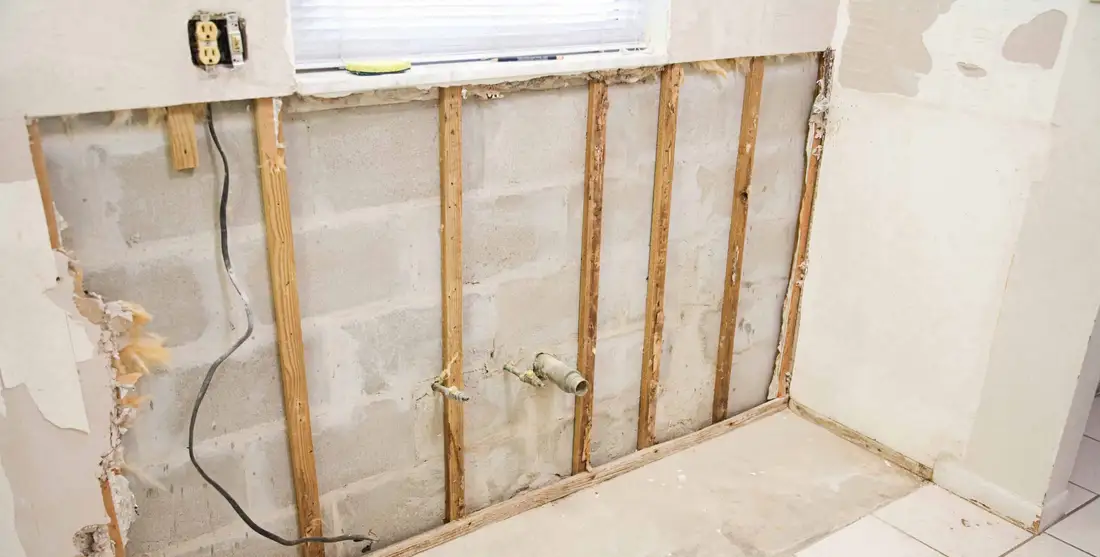
- Extraction and demolition. Standing water is pumped out; soaked carpet pad, drywall and insulation that can't be saved are removed and bagged. After creek water or a sewer backup, the cut is made above the water line.
- Drying. Air movers and dehumidifiers run for several days. Readings are taken daily until the materials match dry, unaffected ones (see what a normal moisture meter reading is).
- Cleaning and repairs. Sanitizing where needed, then drywall, paint, trim and flooring put back.
The EPA's rule of thumb is that materials dried within 24 to 48 hours usually won't grow mold (EPA). In an Atlanta basement in August, that clock runs fast. Calling the same day matters more than anything else you do.
Signs of hidden water damage
- A musty smell in the basement or from the crawl space
- Efflorescence, damp patches or a tide line on the foundation wall
- Paint bubbling, drywall tape lifting, or a ceiling stain that grows
- A water bill that jumped with no change in use
- Gurgling drains or a slow floor drain, the early warning of a sewer problem
- A sump pump that runs constantly, or never
Any of these is worth a moisture check before it becomes a mold job. Our guide on how mold spreads through drywall shows what happens behind the wall if it's left.
What water damage restoration costs in Atlanta
Published national figures put water damage restoration at $1,200 to $5,000 with an average around $3,000 (Fixr, 2025; Bob Vila). Clean water from a supply line is cheapest to deal with; gray water from appliances costs more; black water from a sewer backup or creek flooding costs the most because everything it touched has to be removed and sanitized. A finished basement that flooded sits at the top of the range, and demand after a regional storm pushes prices and waiting times up.
Whatever the figure, you get it in writing after the inspection and before any work starts. In Georgia, residential work worth more than $2,500 requires a state residential contractor license (O.C.G.A. 43-41-2); ask for the number and check it on the Secretary of State's license verification site.
Insurance
Standard homeowners policies cover sudden, accidental discharge of water from plumbing, heating, air conditioning or an appliance, and exclude flood water from outside and damage from lack of maintenance; sewer backups are not covered by a typical homeowners policy or by flood insurance and need a separate endorsement (Insurance Information Institute). Flood damage itself needs a policy through the National Flood Insurance Program (FEMA); Atlanta's Community Rating System class 6 earns residents a 20% discount (FEMA CRS communities). Photograph the damage before anything is moved, keep receipts, and call your insurer early; the restoration professional's moisture readings and photos go into the claim.
When to call right now
- Water is still coming in and you can't stop it
- Standing water in the basement or living space, or any sewage backup
- A ceiling is sagging
- Water near electrical outlets, the panel, the furnace or the water heater
- The wet area is bigger than a room, or it has been wet for more than a day
Call (470) 986-0911 and we'll connect you with local help straight away. For mold that has already appeared, see mold remediation in Atlanta.
Areas served around Atlanta
The professionals we work with cover Atlanta and the communities around it, including Buckhead, Midtown, Downtown Atlanta, Virginia-Highland, Druid Hills, Decatur, Brookhaven, Sandy Springs, Dunwoody, Chamblee, Smyrna, Marietta, Roswell, Alpharetta, East Point, College Park, Tucker, Stone Mountain. Not listed? Call anyway and we'll find the nearest help.
Questions
Water Damage Restoration in Atlanta: your questions
How quickly can water damage restoration start in Atlanta?
Emergency extraction is normally same day. When you call we connect you with a local professional who tells you their arrival time before you commit. After a storm like Helene or a hard freeze, demand spikes, so call as soon as it is safe.
My basement flooded. What happens to the finished space?
Carpet and pad usually come out, drywall is cut to above the water line, and the framing and slab are dried with air movers and dehumidifiers. If the water came from outside or a sewer, it is treated as contaminated and everything porous it touched is removed. Finding why it flooded (sump pump, grading, footing drain) is part of the job.
What about a sewer backup?
It is treated as contaminated. Porous materials it touched are removed and hard surfaces cleaned and sanitized. A backup is not covered by a standard homeowners policy without a sewer backup endorsement, so check your policy now rather than after.
Can I dry it myself with fans?
A small, clean-water spill on a hard floor, yes: mop, fan, dehumidifier, done within a day or two. Wet drywall, carpet pad, insulation, a basement or anything that has been wet for more than 48 hours needs proper extraction and monitored drying, or it will grow mold inside the wall.
How long does drying take?
Typically three to five days of air movers and dehumidifiers for a room, longer for a basement, a crawl space or subfloors. The professional takes moisture readings daily and stops when they match dry areas of the house.
Is Damp Solving the restoration company?
No. We connect you with trusted local water damage professionals and they do the inspection, the estimate and the work. It is often the fastest way to get someone out to you in an emergency.
Google reviews
What customers say about Damp Solving
Genuine Google reviews from people who called Damp Solving, across all of our offices.